Article: How to Make Rug Last Longer: Essential Care Tips You’re Missing
How to Make Rug Last Longer: Essential Care Tips You’re Missing
Consider just how much a rug endures in your house. It gets walked on, sat on, spilt on, sunbathed on by the window, and sometimes used as a landing spot for a dropped coffee mug. This much usage will lead to rugs ageing more rapidly than the majority of home furnishings. Here's the thing many people don't know: It's not luck or an expensive rug that keeps it looking fresh for ten years rather than fading and flattening after two; it's a few small habits. Here in this rug care guide we will break down what works and what doesn't. If you are having doubts about how to make a rug last longer without it becoming a full-time job, then this guide is for you.
Why Rug Care Matters
We tend to think of a rug as a "set it and forget it" type project, but this is the worst attitude to take. Regardless of how good the rug is, it is exposed directly to light, water, dust and weight from furniture, foot traffic and more. Those forces gradually wear away fibers, fade colors, and compromise backing strength if not properly cared for.
On the other hand, there is something about the steady attention that a rug requires that will keep it working and retaining its appearance, and sometimes it is for more than 10 years. Learning about rugs' lifetimes is not a matter of obsessiveness regarding your flooring, but rather a matter of seeing that little things, done regularly, avoid big things that cost more money in the future.
1. Vacuum Your Rug Regularly
Grit and dust may seem like nothing to get rid of, but under the surface, they act more like sandpaper, wearing away the fibers with every pound. This abrasive buildup is prevented from ever getting there by having a weekly vacuuming session or twice a week in busy rooms. Choose the correct vacuum level for your rug's pile: setting it to a high level on a hard surface may be too high for a soft surface. This is one of the simplest types of rug care but is also one of the most effective and also encompasses a direct part in helping you to make your rug last longer without spending a fortune.
2. Don't Let Spills Sit; Clean Immediately
The first 60 seconds after a spill matters. Any liquid, even for a short time, begins to penetrate the fibers and, once dry, is more difficult to extract. Use a clean cloth to blot from the outer layer to the center of the spill, preventing the spill from spreading any further. Avoid over-grinding by scrubbing, as it will push the product deeper into the pile rather than pulling it out. The best way to protect your rug and avoid a permanent stain you will have to look at for years to come is to treat spills as they happen.
3. Rotate Your Rug Every Few Months
Although the foot traffic in a room may seem even, rugs don't wear evenly. The corner that's near a sunny window loses color more quickly, and the strip of carpet between the couch and the door actually gets more wear than the rest of the carpet. Rotating rugs 180 degrees every few months distributes the wear and the sun's impact to the entire surface rather than a single area. This only takes a minute or two to make a positive difference in the rug's longevity, particularly in rooms that are exposed to a lot of natural light or a frequent walking path.
4. Rearrange Furniture Occasionally
The dents from a sofa or table leg parked in the same place for months are difficult to reverse. Moving furniture even slightly from time to time allows compressed fibers to rebound before it is permanent. If you find an indentation, mist it with water, let it air dry, and run your fingers through it to help the fibres bounce back. It's something you can do for free, requires only a bit of time and is one more easy trick that will extend the life of your rug and refresh your layout from time to time.
5. Use a Quality Rug Pad
A rug pad is among those items that you may think are not necessary until you experience what it can prevent.
What a Good Pad Does
A good rug pad also cushions each step, reducing the impact on the rug's fibers and backing beyond preventing slipping or shifting. It also provides room for air to pass under, an important consideration that is not always taken into account.
Matching the Pad to Your Floor
One of the most reliable methods of making your rug last for the long haul is to choose the right pad that will make the difference over the years.
6. Protect from Excess Moisture
One silent threat to a rug may be the accumulation of moisture. It provides an ideal environment for mould, mildew, and bacteria that cause odours to grow in the backing and fibers which can occur even before a problem is noticed. Avoid rugs in consistently damp areas, and be sure to quickly dry up any spills or tracked-in rain instead of allowing it to air out. If the climate is humid, using a dehumidifier inside the room would help. If you want to prevent your rug from getting damaged, which is a problem that's difficult to find, you need to be proactive in controlling moisture.
7. Use Rug Protection Coating
A rug protection coating provides an additional layer of protection for your rug, and it is applied in the background. These treatments provide a barrier on the fibres to prevent spills from absorbing immediately, giving you a valuable margin of safety to clean them up before they take effect. Some formulas will even help minimize fading due to the sun. If you have children, pets, or frequent guests, reapplying this coating to your rug periodically, especially after a professional cleaning, is a good idea to keep your rug safe from everyday use.
8. Don't use Shoe on Rug
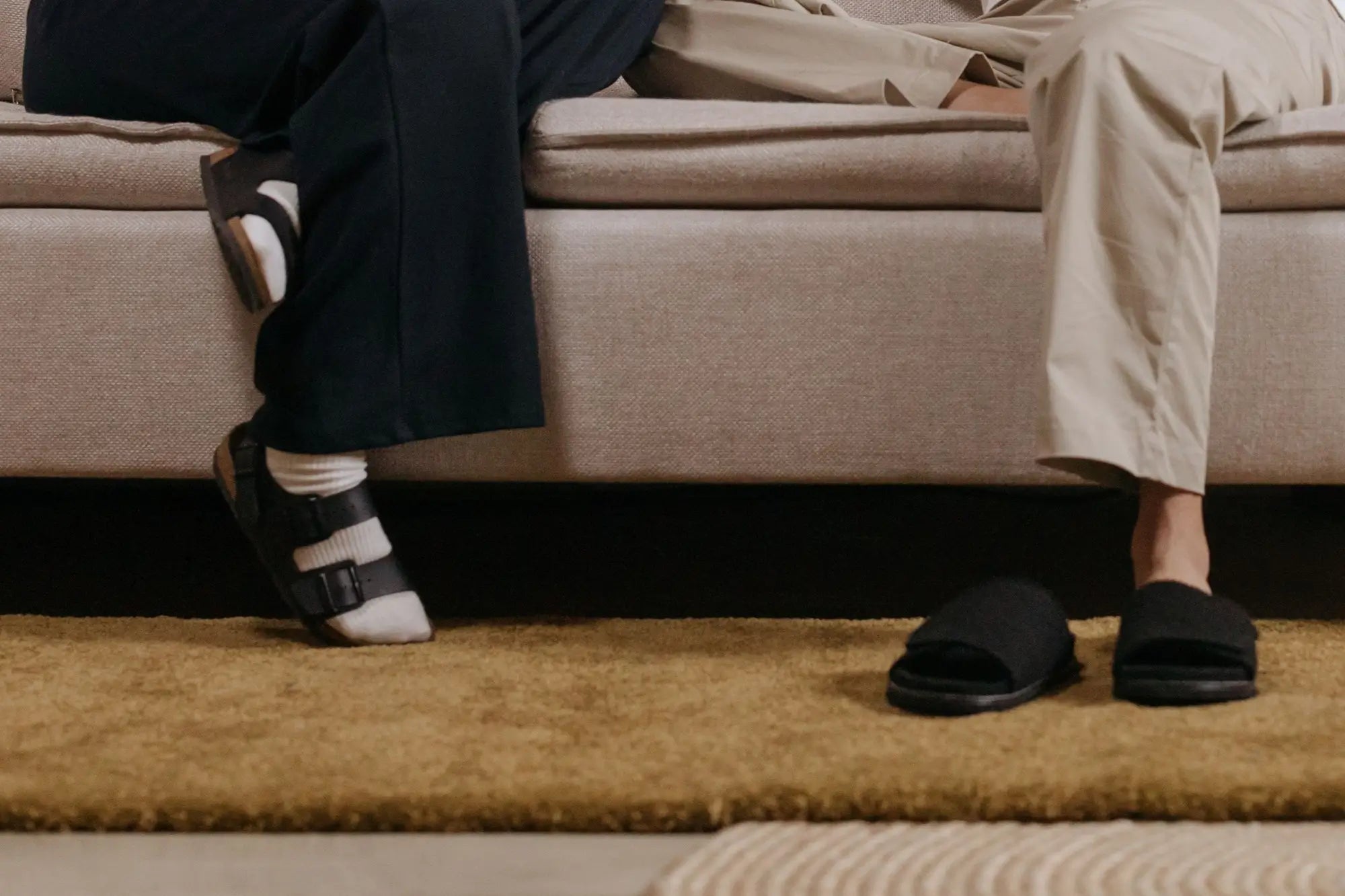
Every time shoes walk across the rug, they are carrying dirt, oil and small debris from the outside environment that are much more abrasive to the rug fibers than a bare foot or socks would be. A no-shoes policy (at least in rug areas) drastically reduces the rate of gathering up dirt and moisture that causes wear. It's a free habit that doesn't require anything or any additional time; it just involves a slight change in your normal routine. It is one of the easier ways to extend the lifespan of the rug without making any changes to how you use the space when used in conjunction with regular vacuuming.
9. Go for Professional Cleaning
While home care does a lot, it can't do everything that a professional cleaning can. A professional cleaning service can remove dirt and allergens from the fibers that a home vacuum just can't get to every eighteen months or annually, depending on the amount of foot traffic the rug receives. Materials vary from wool to silk to synthetic fibers, and each needs special care that a professional cleaner can provide. This level of care is a cornerstone of proper rug maintenance, especially for rugs that carry sentimental or financial value worth protecting long-term.
10. Store Rugs Properly When Not in Use
Whether you're moving and putting your rugs in storage or just seasonal storage, a little preparation goes a long way to ensure that your rugs don't get damaged.
Prep Before You Pack It Away
Before storing a rug, wipe it down thoroughly because any leftover food particles and dirt can catch pests or start to stain.
Storing It the Right Way
To prevent creases from being permanent, roll the rug rather than fold it, wrap it with cotton sheeting or other breathable fabric, and place it in a cool, dry, and out-of-sun location.
If you're serious about getting the most out of your rug's lifespan, this is the way to do it, and it's a lot safer than running the risk of a short lifespan!
Conclusion
These aren't time-consuming or particularly complicated skills. Over time, all these practices help keep the rug looking good. When put together, they are what actually prolongs the life of the rug while preserving its beauty and value as well. At Keva Living, we create rugs that are meant to be a permanent addition to your home, and a little consistent care is all that is needed to make that happen.
FAQs
- How often should I vacuum my rug to keep it in good shape?
- Does a rug pad really make that much of a difference?
- How soon should I clean up a spill?
- Is professional cleaning worth it if I already clean at home?