How to Layer Rugs: The Trend That Instantly Elevates a Room
There's something about a room with layered rugs that just feels different. More polished. More put-together. Like someone actually thought about every detail instead of just throwing furniture at the walls. And honestly? That's exactly what rug layering does. It takes a space from basic to beautiful without any major renovations or expensive purchases. Just two rugs, a little know-how, and suddenly your floor becomes a design statement. At Keva Living, we've seen this trend transform countless homes. And once you learn how to layer rugs, you'll wonder why you ever settled for a single rug in the first place.
What Is Rug Layering?
In simple terms, rug layering means placing one rug on top of another. But it's not random stacking; it's intentional, creative, and surprisingly functional. Think of it like outfit layering. A basic tee and a blazer look giood separately, but together? They create a whole new vibe.
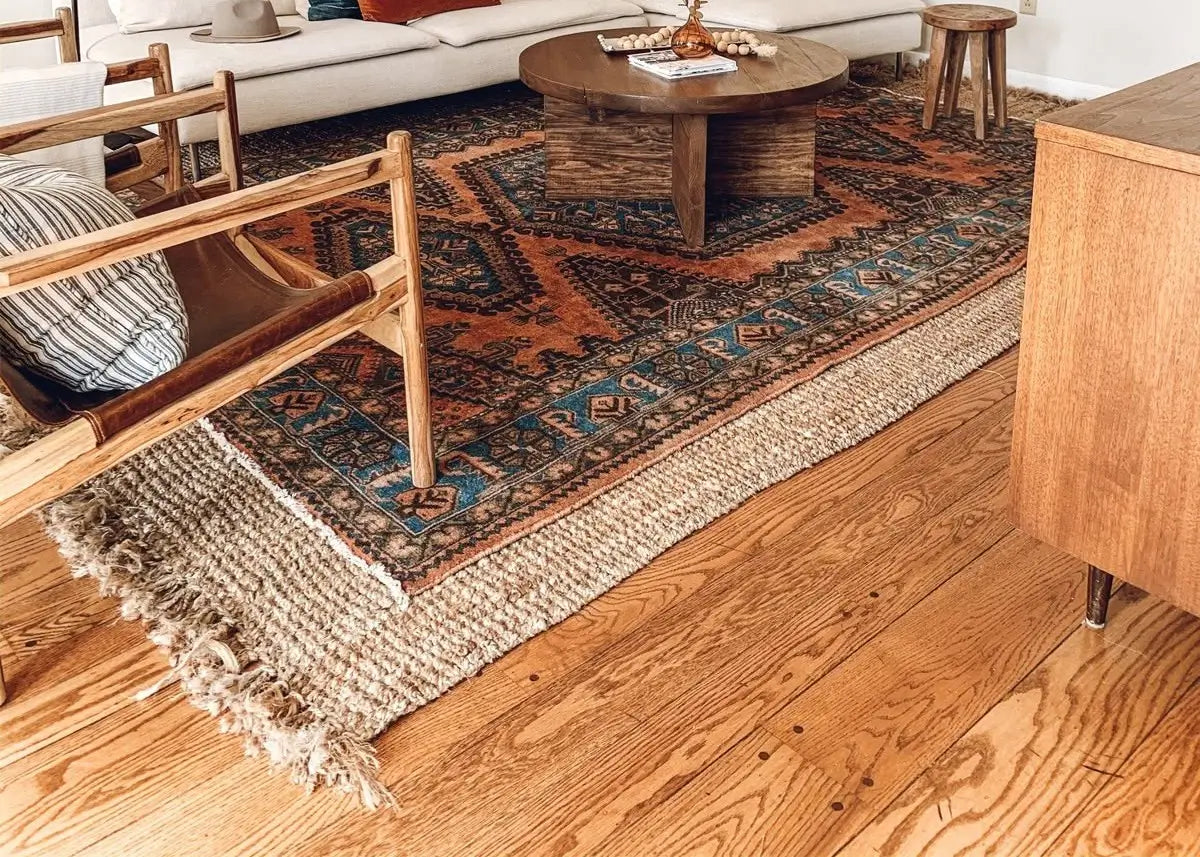
Same goes for rugs. You start with a larger, more grounded piece and top it with something smaller and more expressive. The result? A space that feels richer, warmer, and undeniably designer-approved. Whether you're covering up an outdated carpet, defining an open-plan area, or just wanting to show off a special rug that's too small for the room, layering rugs solves all of it in one stylish move.
Step-by-Step Guide to How to Layer Area Rugs Like a Designer
Layering area rugs is easy, but there's a method to the magic. By following these five steps, you will consistently achieve success.
Step 1 – Choose the Base Rug
Start big and neutral. Your base rug should be the largest piece in the room, think jute, sisal, or a simple flat-weave wool in a natural tone. This isn't the star of the show; it's the stage. It grounds your furniture, covers most of the floor, and gives your top rug something beautiful to sit on.
Step 2 – Select a Statement Rug
This is where the fun begins. Your top rug should be smaller, bolder, and full of personality. Maybe it's a vintage find, a geometric pattern, or something with rich, bold colors. This piece does the heavy lifting visually, so don't be shy.
Step 3 – Play With Shapes
Who says rugs have to match? Layer a round rug over a rectangular base to soften a room full of sharp edges. Or go for an oval on top of a square for unexpected charm. Mixing shapes keeps things visually appealing and less predictable.
Step 4 – Balance Colors and Patterns
If your top rug is bold, keep the base calm. If you're feeling brave and want two patterns, make sure they share at least one color to tie them together. The goal is harmony, not a headache.
Step 5 – Consider Furniture Placement
Here's a golden rule: make sure your sofa, chairs, or bed sits comfortably on the base rug. The top rug can then float in front of the furniture or sit partially underneath. This anchors the whole setup and keeps it from looking like an accident.
Layering rugs isn't about perfection; it's about intention. When you follow these steps, you're not just decorating; you're designing. And that's what turns a house into a home.
Rug Layering Ideas for Every Room
Every room has different needs, and layering rugs adapts beautifully to all of them. Here's how to make it work across your home.
Layering Rugs in Living Room Ideas
Layer a chunky textured rug beneath a flat-weave patterned one to anchor your seating area and add instant coziness.
Bedroom Rug Layering Ideas
Place a large neutral rug under your bed and layer smaller textured runners on each side for a luxe, hotel-inspired feel.
Dining Room Rug Layering
Use a durable low-pile base that fits your entire dining set, then layer a smaller patterned rug on top to hide spills.
Entryway Rug Layering
Layer a long runner over a larger base rug to create warmth and character in your entryway.
No matter which room you're working on, rug layering ideas can be tailored to fit. The key is understanding the function of each space and letting that guide your choices.
Designer Tips for Layering Rugs Successfully
Even with the essentials covered, a few insider tips can elevate your layered look from good to magazine cover-ready.
Mix Textures
Pair something rough with something soft, like a jute base with a silky wool top. The contrast creates depth.
Use Contrasting Pile Heights
A flat-woven base with a plush, high-pile top adds dimension. Keep both low enough to avoid tripping.
Anchor Furniture Correctly
Your base rug should be large enough that all major furniture pieces sit comfortably on it.
Stick to One Color Palette
Even with mixed patterns, keep the overall color story cohesive with shared undertones.
These small tweaks make a massive difference. When you pay attention to texture, height, placement, and color, your layered rugs won't just look good; they'll look intentional.
Conclusion
Learning how to layer rugs is one of those rare design skills that delivers instant payoff. It adds warmth, defines spaces, and gives your home that balanced look that's so difficult to achieve. Whether you're working with a tiny apartment or a sprawling open floor plan, this technique works. And remember, the best layered looks come from experimenting. Mix patterns, play with textures, and trust your instincts. Your home should feel like you.
FAQs
- What is the best rug to use as a base for layering?
- Can you layer rugs on carpet?
- Which rug materials work best for layering?
- Can you mix modern and traditional rugs?
- Are layered rugs suitable for small spaces?