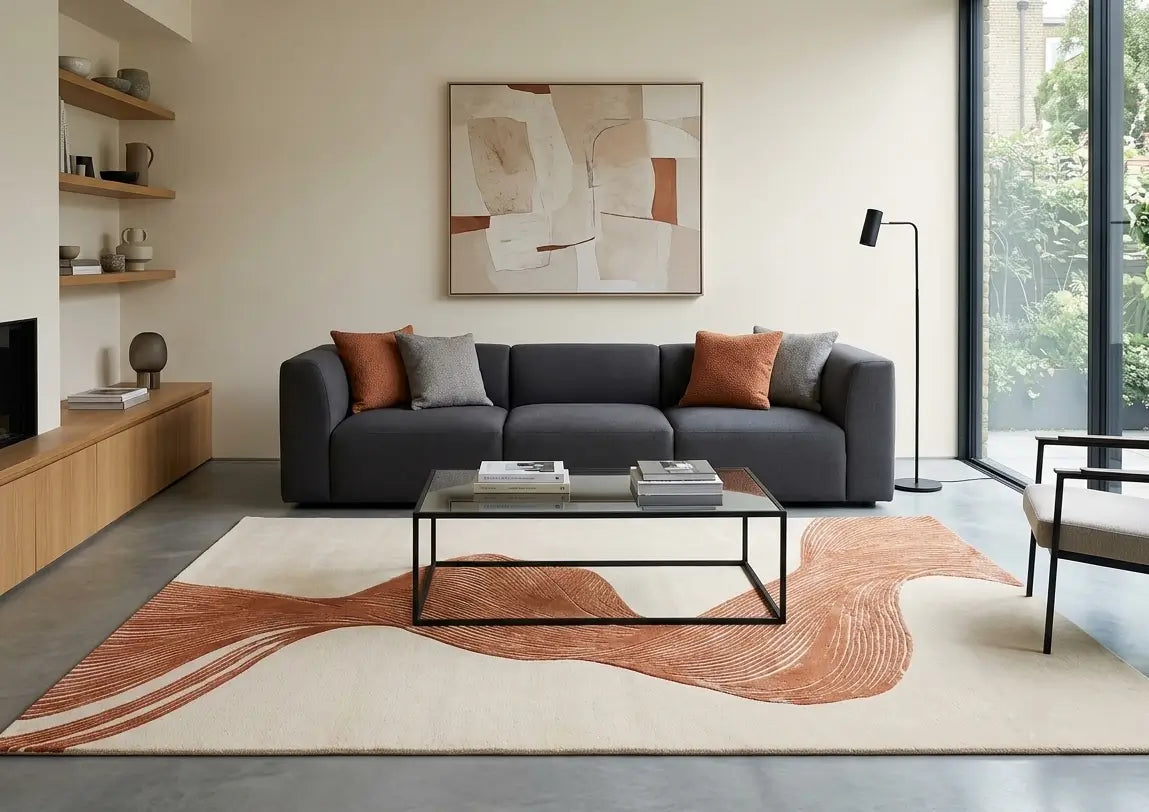
Article: Jute vs Sisal Rugs: Which Natural Fiber Rug Is Right for You?
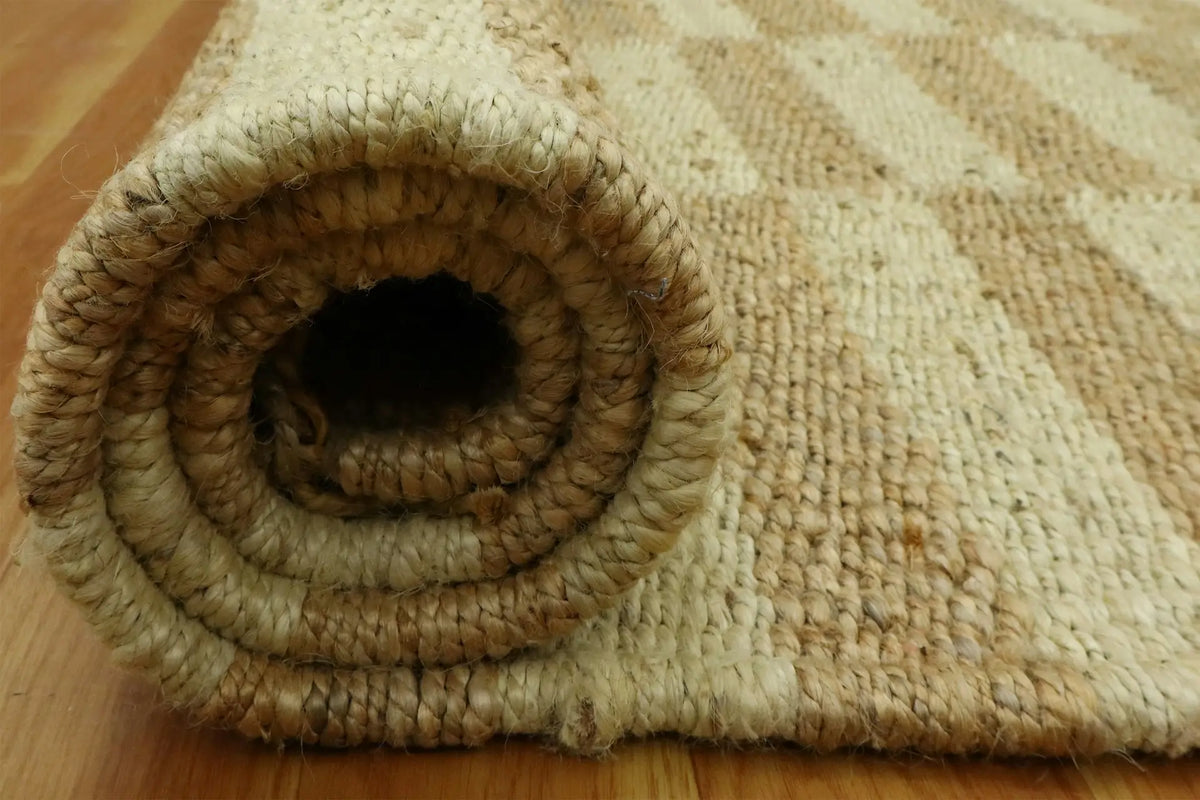
Jute vs Sisal Rugs: Which Natural Fiber Rug Is Right for You?
Ever notice how, when someone says, "Let's make this room feel more natural," a jute or sisal rug appears in the plan within 5 minutes? There's a reason behind that. The natural fiber rugs are one of the most important aspects of the "my home just happens to look this good" vibe that is everywhere on Pinterest and Instagram these days. However, this is where most people get confused: they think that 'jute' and 'sisal' can be used interchangeably. The reality is, the jute vs sisal rugs discussion has more significance than it initially appears. Both of these fibers are from entirely different plants, act very differently on your floor, and are really meant for different areas of your home. One has a soft and comfortable feel, as if to sink your toes into it. The other is the stoic, no-frills one that doesn't mind getting dirty with paws and feet. Get the pairing right, and your rug can become the game-changer of the room. Before you decide which rug to use for the next room makeover, let's find out the difference between jute rugs and sisal rugs.
What Are Jute Rugs?
Jute is a soft, golden-brown fibre from the jute plant. It's been used for centuries to make sacks, ropes, and textiles; somewhere along the way, someone figured out that it made a pretty rug. The jute fibers are thinner and finer than any other natural fibre, hence the softness and almost fabric-like feel of the jute rugs. Jute rugs have a warm, honey-toned color that instantly makes any room feel cozy and are frequently incorporated into chunky braids or flatweaves that add visual texture without shouting for attention.
Key Features of Jute Rugs
- One of the few natural fibre rugs soft enough for bare feet
- Easy to carry or shift around a room
- Works seamlessly with neutral, coastal, or boho interior styles
- More affordable than most other natural weaves, thanks to its finer fibers
- Ideal for bedrooms and living rooms, where comfort matters more than heavy use
So, if you're looking for a warm, welcoming, and pleasant-to-walk-on rug, then jute checks almost every box, as long as you keep it away from wet shoes and spilled coffee.
What Are Sisal Rugs?
The main source of sisal is the leaves of agave, mainly cultivated in Africa and Latin America. Unlike jute, sisal fibers are thicker, coarser, and much stronger and, as such, have been used for making ropes and twines for more than 100 years, before they were used as decoration in homes. Sisal rugs are slightly rougher and more textured than softer fibers, typically cream, beige, or natural tan, and retain shape and structure for a much longer time.
Key Features of Sisal Rugs
- Extremely durable, built to handle daily wear without breaking down
- Resists crushing and is durable under heavy furniture.
- Doesn't flatten even in high-traffic areas such as entryways, stairs, and hallways
- Over the years, this material is not prone to stretching and sagging.
- A great choice for pet owners, as claws and paws don't tear it easily.
If durability and long-term structure matter most, sisal rugs are tough to beat, even if softness isn't their strongest trait.
Jute vs Sisal Rugs: Key Differences
When you line them up side by side, the jute vs sisal rugs comparison really comes down to texture, strength, and purpose.
| Factor | Jute Rugs | Sisal Rugs |
| Texture | Soft, gentle on bare feet | Coarse, rougher underfoot |
| Strength | More delicate, prone to wear | Sturdy, built to last for years |
| Moisture Resistance | Weak - can weaken or discolor if damp | Better tolerance, but still not waterproof |
| Color Tones | Warm, honey-brown shades | Cooler, neutral beige tones |
| Price | Generally more affordable | Slightly higher, justified by durability |
| Best For | Bedrooms, living rooms, low-traffic cozy spaces | Entryways, hallways, high-traffic or pet-friendly zones |
Knowing these differences early saves you from buying a beautiful rug that simply doesn't match how you actually live.
Which Is More Durable: Jute or Sisal?
This one isn't close; when it comes to durability, sisal is the clear winner. Its thick, rope-like fibers were developed to handle friction, weight, and pressure long before individuals had any intention of using them for rugs. Sisal doesn't lose its shape when it's under heavy furniture, nor does it wear out easily in high-traffic areas and disintegrate over time with use. However, jute is a more fragile material. It is more likely to fray in areas of use or in moist environments due to its thinner fibers. It doesn't mean that jute is a bad rug, just that its place is more of a quiet, dry area of the home and not a mudroom or a staircase.
Which Is Softer: Jute or Sisal?
Now flip the script, and jute rules the roost. The texture is really soft to walk on barefoot, and its fibers are more pliable and finer. By contrast, sisal is scratchy and stiff, almost like an entry for a garage floor, not a living room. Jute is softer and a more practical, comfortable choice when your rug is being used in a room where people sit, lounge, or walk barefoot on the floor frequently, such as a bedroom or a cozy reading nook.
Which One Should You Choose for Your Room?
Ultimately, the right choice depends on the specific room and routine that happens in it. Jute is the more suitable choice for bedrooms, kids' rooms, or as a soft accent under the coffee table. Sisal's durability is better suited to entryways, hallways, and stairs, or if you have pets and children running through the house all the time. If you simply can't choose, some homeowners are opting for a combination of materials: sisal for the more public spaces and jute for the more relaxed corners.
Regardless, both are firmly in the category of the best natural fiber rugs for their texture, warmth, and organic feel that synthetic rugs simply can't replicate. At Keva Living, we've seen firsthand how the right natural fiber rug can completely transform the mood of a room, grounding it, warming it up, and giving it that lived-in, curated look without trying too hard.
Conclusion
At the end, the choice between jute and sisal rugs is not one of "best" or "worst," but of which one suits your requirements and your lifestyle best. Jute is comfortable, warm, and affordable, while sisal is strong, structured, and durable enough to handle years of daily life. When choosing a rug, think about where it will sit, who will walk on it, and what kind of feel you want. Whichever you choose, you're picking from the best natural fiber rugs on the market, pieces that add texture and personality no factory-made rug can match. And if you're still torn, browsing a few real options side by side always helps more than reading specs alone.
FAQs
- Is jute or sisal rug better for a living room?
- Can jute and sisal rugs get wet?
- Which natural fiber rug is better for pets?
- Are natural fiber rugs like jute and sisal good for allergies?