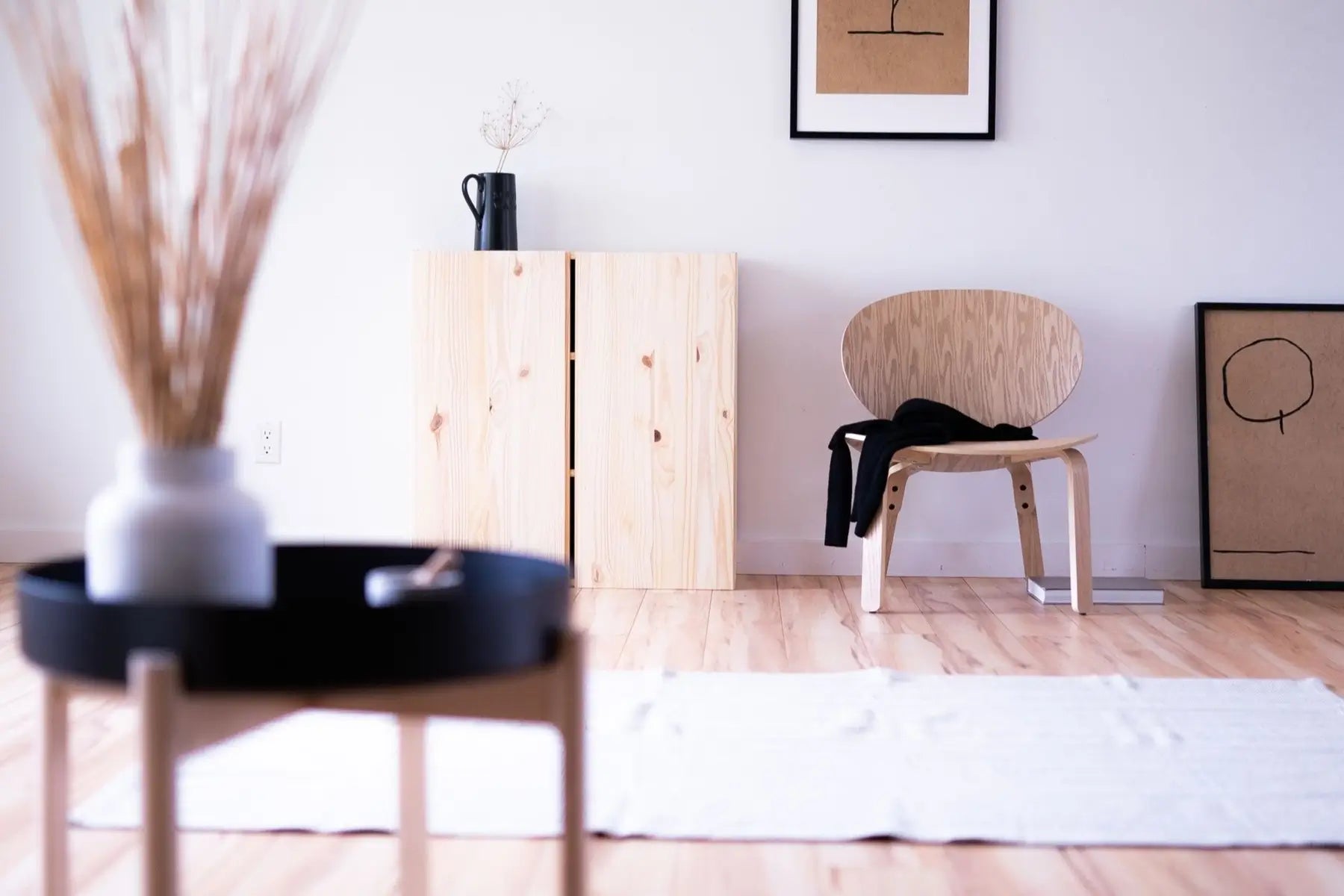
Japandi Rugs: The Beauty of Minimalism and Handmade Craftsmanship
There’s a quiet luxury in walking into a room that doesn’t shout for attention. A space where every piece feels intentional, everything feels just right. The colors are soft, the textures are inviting, and there is a sense of calm that quietly fills the room. This is the beauty of Japandi style, a design philosophy that blends simplicity, comfort, and intentional living. And what is at the heart of this aesthetic? A single, grounding piece: the Japandi rugs. Not a piece that demands attention, but one that gently brings the room together. A Japandi rug adds warmth underfoot, softens the space, and creates the balanced foundation that this design style is known for.
Today, the Japandi rugs have become a favorite choice for modern homes. They combine natural materials, timeless design, and understated elegance to create spaces that feel peaceful and lived in. In this guide, we'll explore what makes Japandi rugs so special, why they have become a key element in contemporary interiors, and how you can use them to bring a sense of balance and comfort into your own home.
What Is Japandi Style?
Japandi is a combination of two rich design traditions: Japanese minimalism and Scandinavian functionality. Think clean lines, natural light, and an almost poetic respect for imperfection. It’s not about having less to follow a trend. It’s about keeping only what serves you and your beauty.
In a Japandi interior, you won’t find clutter or flashy decor. Instead, you’ll notice pale woods, soft shadows, ceramics with honest texture, and textiles that feel woven by hand, not made by a machine. This is where Japandi rugs come in. They don’t just cover the floor. They anchor the room without dominating it, a rare and beautiful balance.
Why Japandi Interiors Feel So Peaceful
Have you ever stepped into a beautifully designed minimalist room but felt that something was missing? The space looked clean and organized, yet it felt a little cold and uninviting. That is where Japandi design makes a difference.
Japandi is not just about having fewer things. It is about creating a home that feels calm, warm, and comfortable. It combines the simplicity of Scandinavian design with the natural beauty and craftsmanship found in Japanese interiors. Every piece has a purpose, and every detail helps create a sense of balance.
The colors are soft and understated, warm beiges, gentle greys, off-whites, earthy browns, and muted greens. Furniture sits low and feels grounded. Natural light fills the room, while linen, wood, and handmade materials add texture and warmth. And then there is the rug. Often, it is the element that brings the entire room together. Handcrafted wool or jute rugs adds softness underfoot and prevents the space from feeling empty. It introduces texture, warmth, and a sense of comfort that makes you want to slow down and stay awhile.
What Makes Japandi Rugs Unique?

Not every neutral rug belongs in a Japandi home. The real difference? Intention, material, and soul. Here’s what truly sets Japandi rugs apart.
Neutral and Earthy Color Palettes
Forget neon or sharp contrast. Japandi rugs live in sand, stone, sage, and driftwood. These tones don’t compete with your furniture; they hold a quiet conversation with it.
Simple Patterns with Timeless Appeal
A boho rug dances. A Persian rug tells stories. A Japandi rug? It whispers. The rug features subtle stripes, faint grids, and gentle color shifts created by hand-dyed wool. Nothing loud. Just patterns that reward the patient's eye.
Handmade Craftsmanship and Natural Materials
Machine-made rugs can copy a look, but not a soul. Handmade japandi rugs carry the gentle “flaws” of human hands: an uneven knot, a soft shift in weave. That’s not a mistake. That’s authenticity. Paired with natural wool, jute, or cotton, they age beautifully and honor Japandi’s love for nature.
Choosing handmade things isn't about perfection. It’s about presence. And that’s exactly what a Japandi rug brings to your home.
Best Materials for Japandi Rugs
Let’s get practical. You love the look. Now, what should your rug actually be made of? Here’s our honest answer.
Wool Rugs for Softness and Warmth
Wool is the ideal material for minimalist rugs. It’s soft, warm, takes natural dyes beautifully, resists stains better than you’d expect, and feels like a hug for your feet on a winter morning. For bedrooms and living rooms, a wool Japandi rug is the perfect choice.
Jute Rugs for Organic Texture
Jute brings the outdoors in. It’s tactile touch, with a loose, breathable weave that adds instant texture. A jute rug works beautifully in dining rooms or sun-drenched sitting areas. Just know it’s less plush than wool, and that’s exactly the point. Japandi celebrates honesty in materials.
Cotton Rugs for Light and Airy Spaces
Cotton is lightweight, washable, and perfect for layering over a larger jute rug. In a small apartment or a cozy reading nook, a cotton Japandi rug keeps things feeling fresh and uncluttered, and it’s easy to clean.
Sometimes the lightest touch makes the strongest impression. Cotton rugs prove that.
Why Japandi Rugs Are Perfect for Modern Homes
Modern homes, especially open-plan ones, can feel cold or echoey. Hard floors, clean lines, and neutral walls are beautiful, but without softness, they risk feeling like a gallery instead of a home. A Japandi rug solves that in one quiet move.
It defines spaces without building walls. A wool rug under the sofa says “living area.” A jute runner in the hallway says, “Welcome.” And because the patterns and colors are so subtle, you can mix different Japandi rugs in adjacent rooms without visual chaos.
More importantly, this style ages well. Trends come and go. But what about the combination of minimalism and handmade craftsmanship? That’s timeless. That’s what Japandi rugs stand for.
Conclusion
A room shouldn’t just look beautiful. It should feel beautiful. And a few things influence that feeling more than what lies beneath your feet. Japandi rugs offer something rare in today’s fast, loud, trend-driven world: stillness. They don’t compete. They simply exist, patiently and beautifully, making everything around them better. Whether you choose wool for warmth, jute for texture, or cotton for softness, you’re choosing more than a rug. You’re choosing a slower, more intentional way of living.
FAQs
- What is a Japandi rug?
- What colors work best for Japandi interiors?
- Are wool rugs good for Japandi style?